
The Ultimate Guide to Money in Bali 2026: Currency, Tipping & Costs
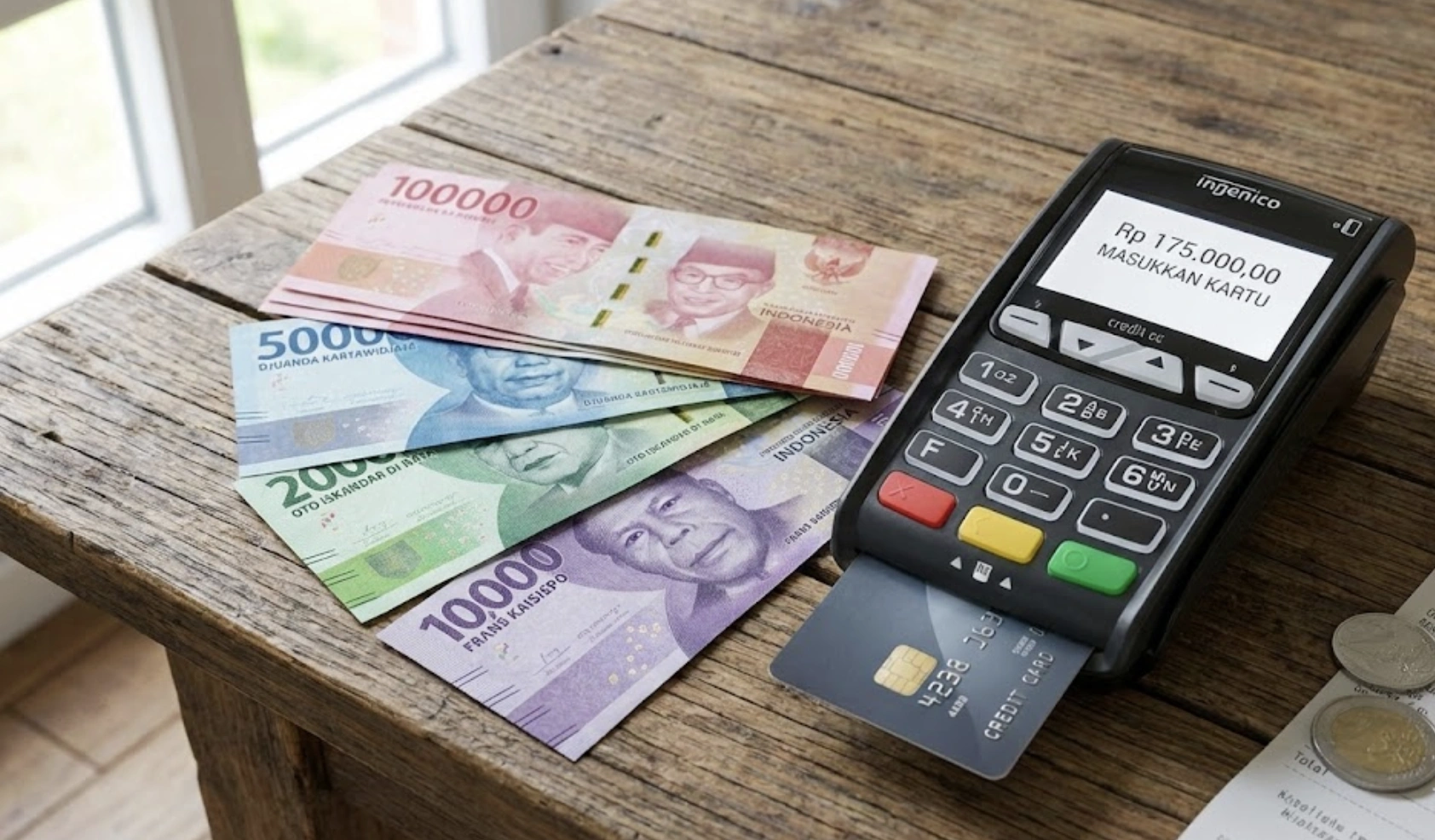
Touching down in Bali, the first thing that hits you (after the humidity) is the confusion of the currency. You withdraw $100 USD and suddenly become a "millionaire" in Indonesian Rupiah. But how much should things actually cost? Do you need to tip the driver? And where is safe to withdraw cash?
This comprehensive guide covers everything you need to know about payments in Indonesia for 2026, from avoiding ATM scams to budgeting your trip.
1. Cash vs. Card: What to Bring
While digital payments are growing, Cash is still King in Indonesia.
- Cash (IDR): Essential for street food (Warungs), local markets, parking fees, temple donations, and small shops.
- Credit Cards (Visa/Mastercard): Widely accepted in hotels, shopping malls, supermarkets (Pepito, Popular), and nice restaurants.
- QRIS (QR Codes): You will see QR codes everywhere. However, these mostly work with local Indonesian banking apps (like GoPay or OVO), not usually foreign apps.
2. ATMs & Money Changers
Do not stress about bringing huge amounts of cash from home. ATMs are everywhere.
- Safe ATMs: Stick to ATMs located inside banks or 24-hour convenience stores (Indomaret/Alfamart). Recommended banks: BCA, Mandiri, BNI.
- Withdrawal Limits: Most machines allow IDR 1,250,000 to IDR 2,500,000 per transaction.
- Money Changers: Only use authorized changers with air-conditioned offices and no commission signs (e.g., BMC, Central Kuta). Avoid tiny shacks in alleyways offering "too good to be true" rates. Check official rates at Bank Indonesia.
3. The Tipping Etiquette in 2026
Tipping is not mandatory in Indonesia, but it is highly appreciated given the low local wages. Here is a general rule of thumb:
- Restaurants (Warungs): Round up the bill (e.g., if Rp 42k, leave Rp 50k).
- Restaurants (Western): Rp 20,000 - Rp 50,000 is a nice gesture if no service charge is added.
- Gojek / Grab Drivers: Rp 5,000 - Rp 10,000 via the app or cash.
- Hotel Housekeeping: Rp 20,000 per day left on the bed.
- Private Drivers/Guides: Rp 50,000 - Rp 100,000 per day is standard.
4. Typical Travel Costs (2026 Prices)
Budgeting is easier when you know the "real" price. Do not get ripped off—here are the average costs for common items:
| Item / Service | Average Cost (IDR) | USD Estimate |
|---|---|---|
| Nasi Goreng (Local Warung) | Rp 20,000 - 35,000 | $1.50 - $2.50 |
| Meal (Western Cafe) | Rp 100,000 - 150,000 | $6.50 - $10.00 |
| Small Beer (Bintang) | Rp 25,000 (Shop) / Rp 40,000 (Bar) | $1.50 - $2.50 |
| Sim Card (10GB Data) | Rp 150,000 | $10.00 |
| Scooter Rental (Per Day) | Rp 75,000 - 100,000 | $5.00 - $7.00 |
| Taxi (Gojek) - Short Trip | Rp 15,000 - 30,000 | $1.00 - $2.00 |
| Uluwatu Temple Entry | Rp 50,000 | $3.50 |
For more detailed cost of living data, you can check Numbeo Bali.
Now that your budget is ready, don't forget the most important step.
Apply for Indonesia VisaFAQ - Common Money Questions
The currency is the Indonesian Rupiah. The abbreviation is IDR, and you will see "Rp" on price tags. Notes come in 1k, 2k, 5k, 10k, 20k, 50k, and 100k denominations.
Cards are accepted at established businesses. However, beware that many smaller merchants pass the bank fee onto you, adding a 2-3% surcharge on top of the bill. Always ask "Is there a surcharge?" before handing over your card.
It is smart to bring a small amount (e.g., $50-$100 USD worth of IDR) for your taxi or airport snacks. However, exchange rates are generally better inside Indonesia at authorized money changers than they are at your home airport.
Yes. ATMs are widespread. Look for the "ATM" sign. Most foreign cards work fine. Just ensure you notify your bank about your travel plans so they don't block your card for suspicious activity.
Yes in markets, souvenir shops, and for transport without a meter. Start at 50% of the asking price and meet in the middle. No in convenience stores, restaurants, malls, or boutiques with fixed price tags.
You can bring up to IDR 100,000,000 (approx $6,500 USD) or equivalent in foreign currency without declaring it. If you bring more, you must declare it at Customs upon arrival.