
Beyond Bali (2026): The Ultimate Guide to Sumatra, Java, Sulawesi & Papua
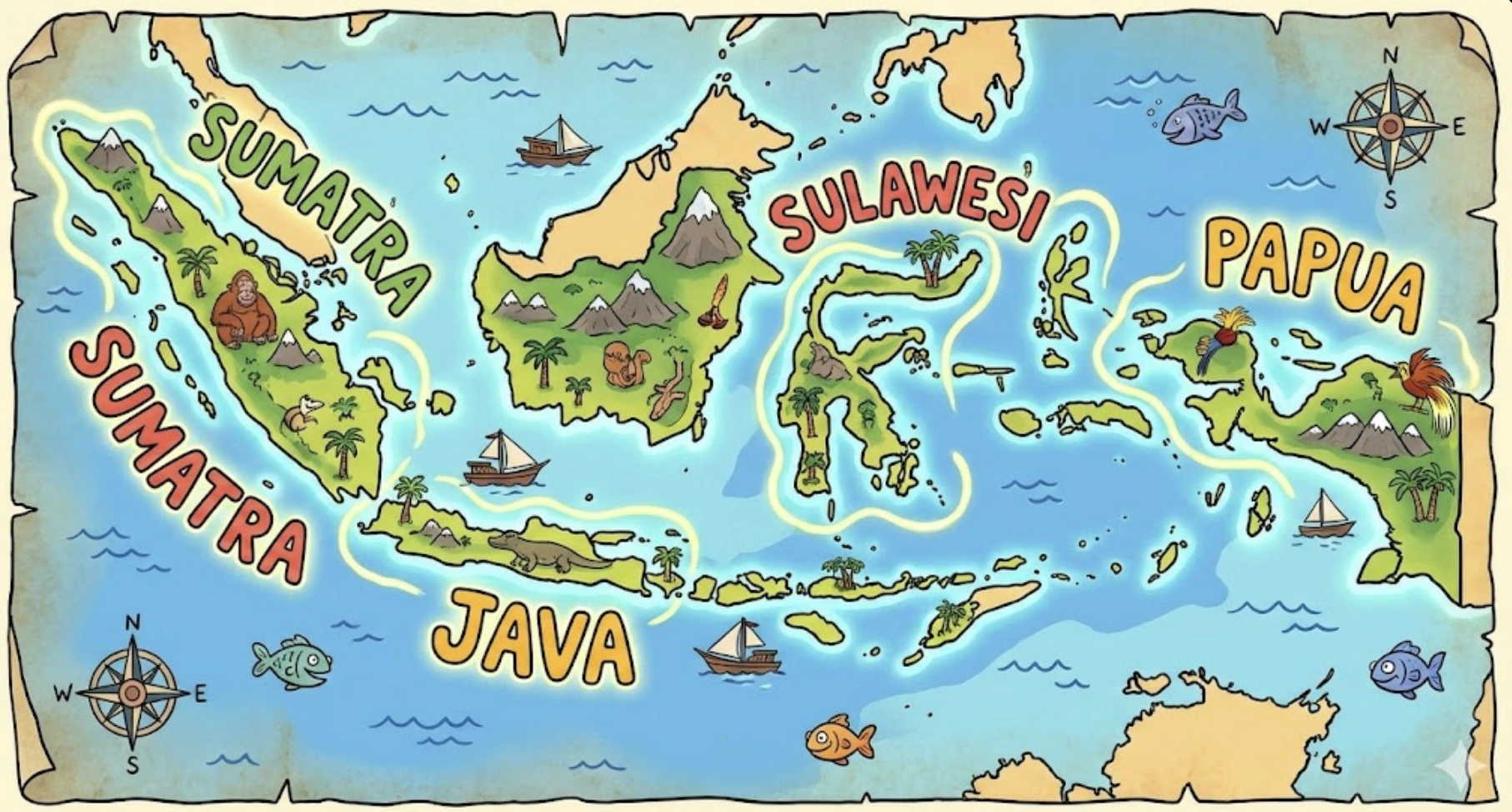
Indonesia is the world's largest archipelago, comprising over 17,000 islands. While Bali steals the international spotlight, the real, raw adventure lies in the vast, diverse giants that surround it. From the smoking volcanoes of Java to the untouched reefs of Papua, each island operates like an entirely different country with its own culture, wildlife, and logistical challenges.
If you are ready to step off the beaten path in 2026, here is your essential, no-nonsense guide to island-hopping across Indonesia's four other giants: Sumatra, Java, Sulawesi, and Papua.
0. Essential 2026 Island-Hopping Logistics
Before you start planning your itinerary, you must understand how to navigate Indonesia domestically. It is not as simple as backpacking through Europe.
- The Domestic Flight Hack: Western booking sites like Expedia or Skyscanner often do not show Indonesian domestic airlines (like Lion Air, Wings Air, or Citilink). You must download Traveloka or Tiket.com to book cheap internal flights.
- The Domestic Baggage Trap: Do not assume your international baggage allowance applies here. Indonesian low-cost carriers often give you 0kg of checked luggage. Always pre-purchase your baggage online on Traveloka to avoid massive fees at the airport counter.
⚠️ Crucial Warning: The "Connecting Flight" Visa Trap
Most travelers flying into Indonesia to reach Sumatra, Sulawesi, or Papua must transit through Jakarta (CGK) or Bali (DPS). You must clear immigration and purchase your visa at your first point of entry.
If you wait to buy your Visa on Arrival at the airport, the 1-2 hour physical queue will almost certainly cause you to miss your connecting domestic flight. You must have your e-VOA approved digitally before you land.
Get Your e-VOA Online Now →1. Sumatra: The Wild West
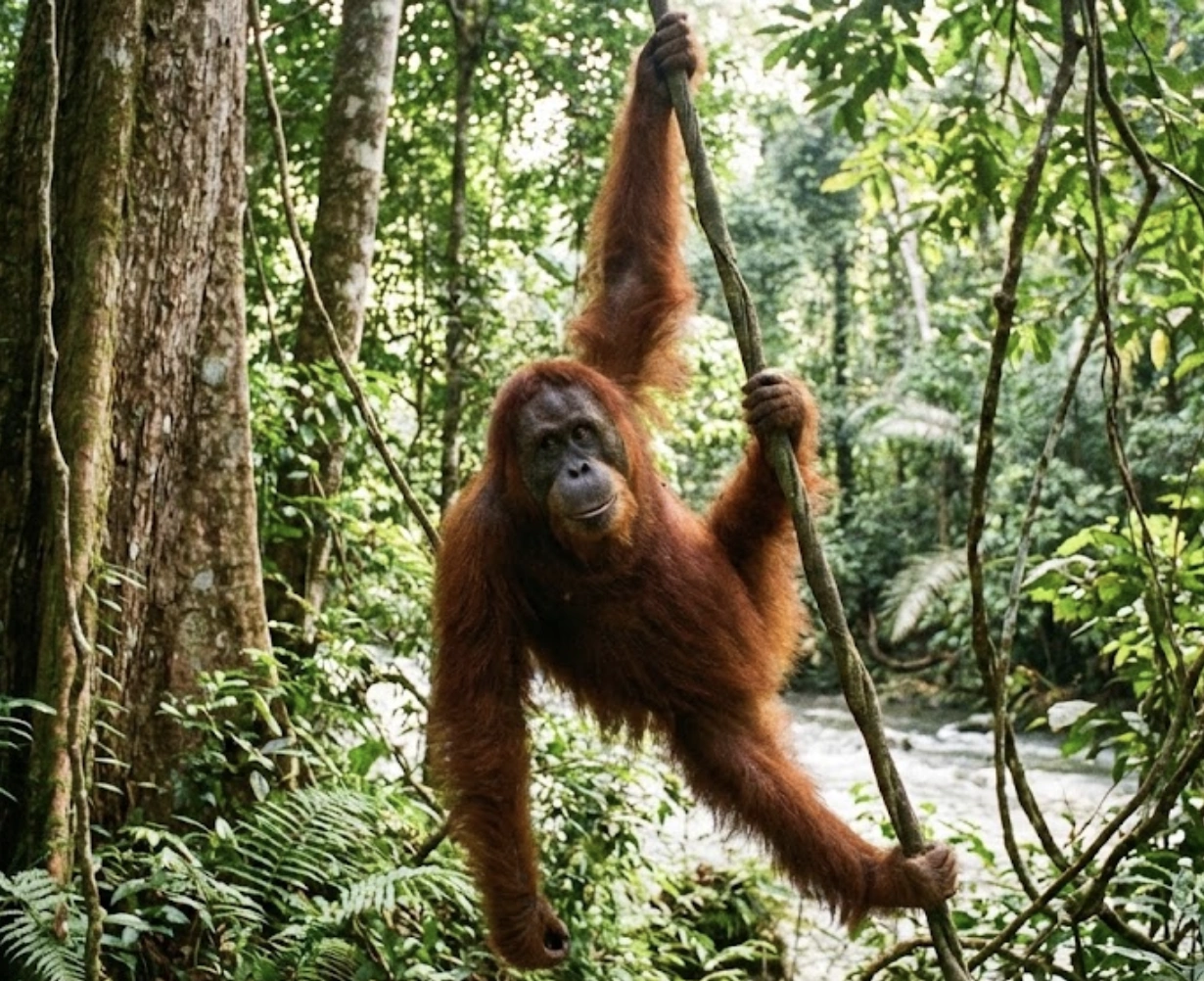
Sumatra is for the wild at heart. It is the only place on Earth where tigers, elephants, rhinos, and orangutans coexist in the wild. The island is rugged, raw, and home to the fiercely proud Batak and Minang cultures.
Highlights:
- Bukit Lawang: The premier spot for jungle trekking to see semi-wild Sumatran Orangutans. (Note: Always hire a certified guide; national park permits are strictly enforced in 2026).
- Lake Toba: The world's largest volcanic lake. Stay on Samosir Island, rent a scooter, and experience traditional Batak culture and architecture.
- Padang & Mentawai: The birthplace of the world-famous Nasi Padang and the gateway to the Mentawai Islands, a holy grail for professional surfers.
Sumatra Travel Logistics
2. Java: The Cultural & Volcanic Core
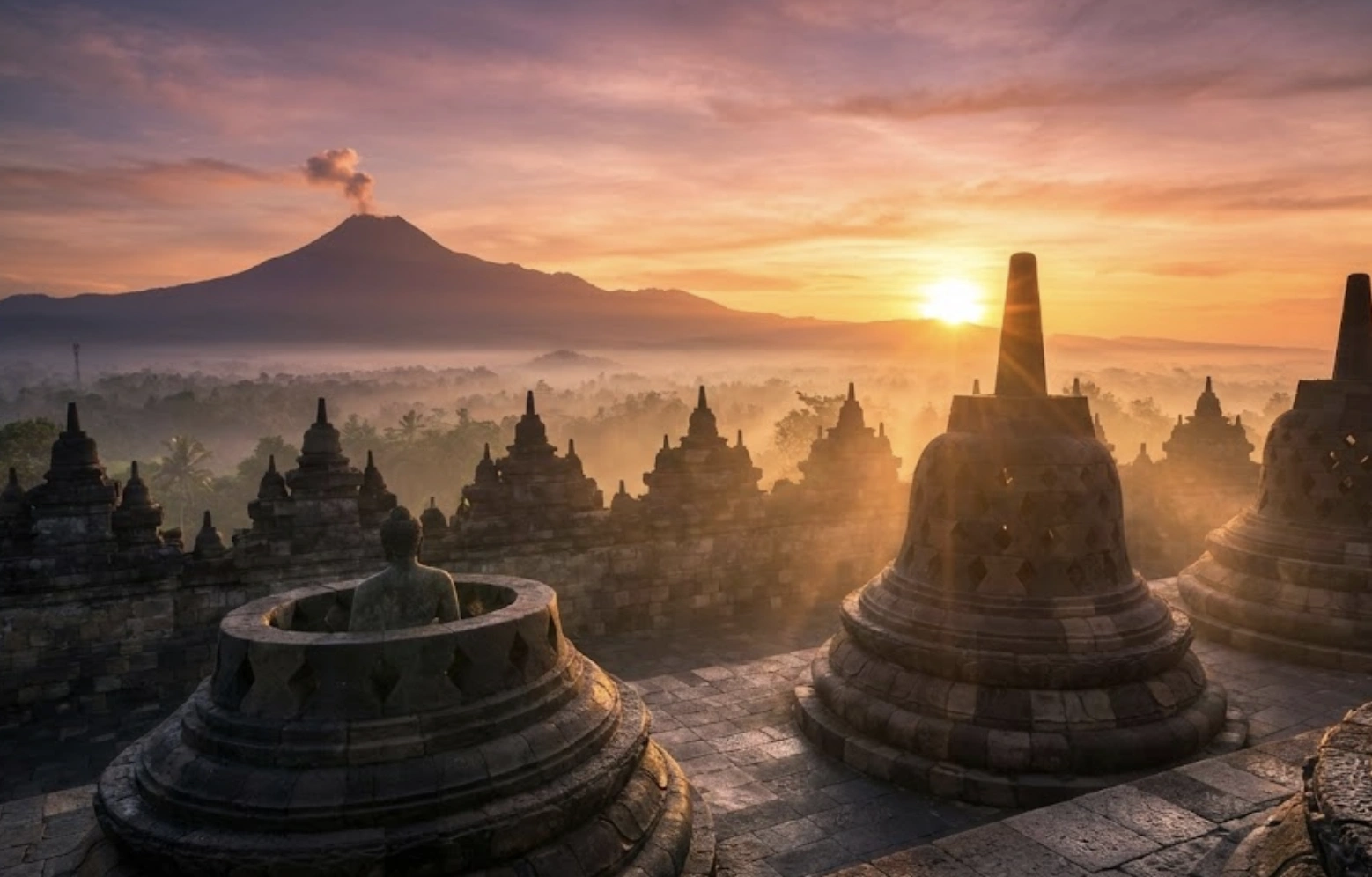
Java is the economic and political heart of Indonesia, home to over 150 million people. While densely populated, it offers a breathtaking mix of ancient history, smoking volcanoes, and vibrant city life.
Highlights:
- Yogyakarta (Jogja): The cultural soul of Java. It is the base for visiting Borobudur (the world's largest Buddhist temple) and Prambanan (a stunning Hindu temple complex).
- The Volcano Route: The surreal sunrise over Mount Bromo and the treacherous hike into the blue-flamed crater of Mount Ijen are world-class adventures.
- Jakarta: A chaotic mega-city. Skip the traffic by visiting the historic Old Town (Kota Tua) or dining in ultra-luxury high-rises.
Java Travel Logistics
3. Sulawesi: The Orchid Island
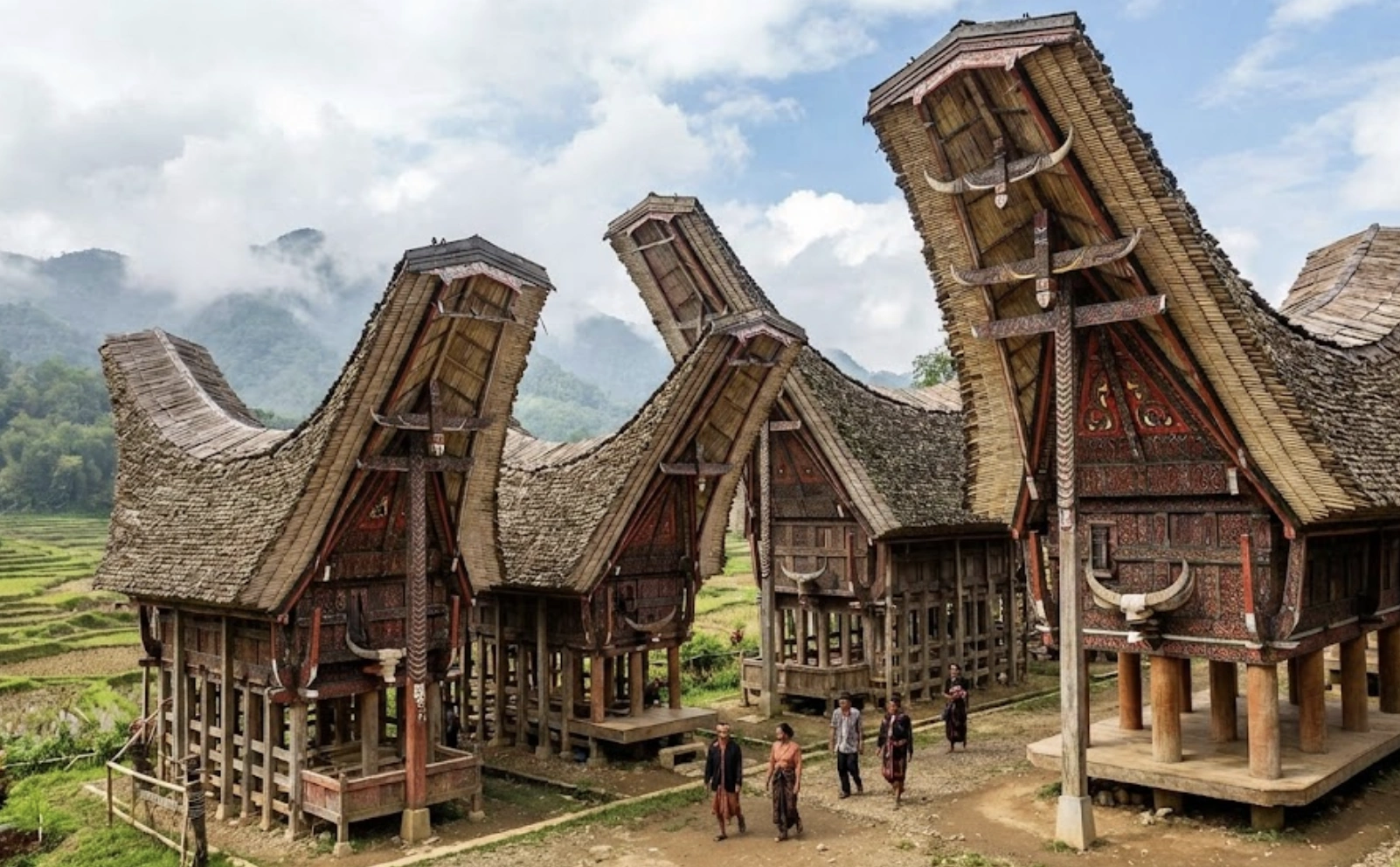
Shaped like a sprawling 'K', Sulawesi offers a bizarre and fascinating mix of cultures and biology found nowhere else due to the Wallace Line. It is a haven for anthropologists and hardcore scuba divers.
Highlights:
- Tana Toraja: Located in the misty highlands, this region is famous for its elaborate, multi-day funeral rites and cliffside graves guarded by wooden effigies (Tau Tau). A culturally intense, unforgettable experience.
- World-Class Diving: Bunaken National Park (in the North) offers sheer coral walls, while Wakatobi (in the South) is considered one of the most pristine barrier reefs on the planet.
Sulawesi Travel Logistics
4. Papua: The Final Frontier
Occupying the western half of New Guinea, Papua is Indonesia's most remote, expensive, and difficult territory to travel. However, the reward is encountering biodiversity and indigenous cultures practically untouched by modern tourism.
Highlights:
- Raja Ampat: Known as the "Crown Jewel" of diving. It boasts the highest recorded marine biodiversity on Earth. You will snorkel with manta rays, wobbegongs, and thousands of reef fish.
- Baliem Valley: Nestled deep in the highlands, this valley is home to the Dani tribe. Trekking here feels like stepping back into the Stone Age.
Papua Travel Logistics
5. 2026 Island Cheat Sheet: Which is for You?
| Island | Best For... | Vibe & Logistics | Daily Budget (USD) |
|---|---|---|---|
| Java | Culture, Volcanoes, Temples | Busy, Great Train Network, Historic | $30 - $60 |
| Sumatra | Wildlife, Jungle Trekking, Surf | Wild, Raw, Slow bumpy roads | $25 - $45 |
| Sulawesi | Scuba Diving, Unique Anthropology | Mystical, Vast distances, VIP Buses | $45 - $80 |
| Papua | Elite Diving, Extreme Isolation | Remote, Pristine, Expensive flights/boats | $150 - $400+ |
Ready to explore the real Indonesia?
Secure your e-VOA now to ensure you don't miss your domestic connections.
Start Your e-VOA ApplicationFAQ - Traveling Indonesia's Islands
Western platforms like Expedia or Skyscanner often fail to show all Indonesian local flights. You must download and use Indonesian apps like Traveloka or Tiket.com to book airlines like Lion Air, Batik Air, and Citilink. Also, pay close attention to baggage limits, as many are 0kg by default.
Sumatra is the undisputed king of wildlife. It is the only place to see wild Orangutans (Bukit Lawang), elephants, and if you are very lucky, Sumatran tigers and rhinos in the deep national parks.
It is the most expensive destination in Indonesia. Expect to spend a minimum of $150-$200 USD per day staying in basic homestays and doing a few dives. Luxury resorts and liveaboards easily cost $300-$600+ per day. Flights to Sorong are pricey, speedboats are expensive, and you need a Marine Park Entry Permit.
The train system (Kereta Api Indonesia) is excellent, clean, and highly affordable. It connects Jakarta, Bandung, Yogyakarta, and Surabaya. Always book Executive Class (Eksekutif) for maximum comfort. Avoid taking buses for long distances across Java due to heavy, unpredictable traffic.
Coastal tourist areas like Raja Ampat and Sorong are heavily touristed and generally very safe. However, the deep highlands (like the Baliem Valley) and border regions can occasionally see political instability. Always check your government's travel advisories before booking flights to the interior.
Yes. While Bali and Java are relatively low-risk, islands like Papua, Sumba, and parts of rural Sulawesi/Sumatra carry a significant risk. You must bring strong DEET repellent and consult a travel doctor about taking Malaria prophylaxis before you leave your home country.